
Computer vision
Finding people and movement in video.
Models that read video as a sequence: locating the body, estimating its pose and following it over time.
More on computer vision
An AI research and engineering company from Bolzano. We build computer vision and multimodal systems that turn video into measurable, interpretable understanding of human movement.
Procedural gait model, not recorded data. Move across the figure to scrub the walk; the readouts follow the model.
We believe intelligence begins with understanding. And that the greatest advances in AI are those that bring that understanding closer to the people it serves.
We founded ALNEVIS to bridge the gap between what machines can perceive and what people can understand. Based in Bolzano, Italy, we research and develop our own computer vision and multimodal AI models, turning complex information into meaningful insights and technology people can use.
We started with human movement. Understanding how we move, perform, and improve brings together some of the hardest challenges in artificial intelligence. But it’s only the beginning. Our ambition goes beyond any single application: to build AI that makes sense of the physical world and makes that understanding accessible to everyone.
More about usThree research domains that share one pipeline: perception, measurement and explanation.
Finding people and movement in video.
Models that read video as a sequence: locating the body, estimating its pose and following it over time.
More on computer visionConnecting what is seen with language.
Vision-language models that explain movement in plain words while staying anchored to the visual evidence.
More on multimodal intelligenceTurning video into measurements.
Joint trajectories treated as signals: filtered, measured and related to what the person is doing.
More on human movement understanding
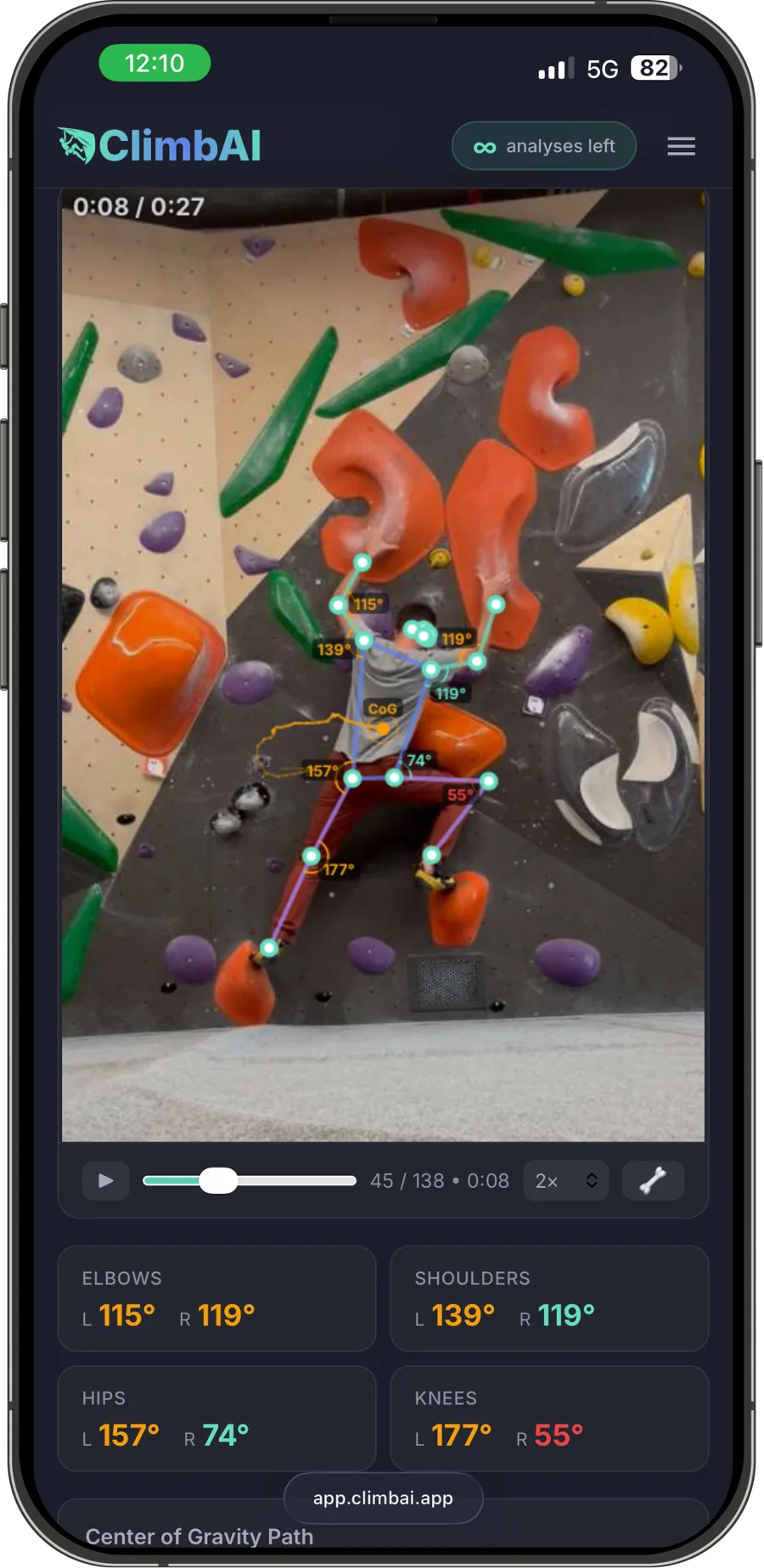
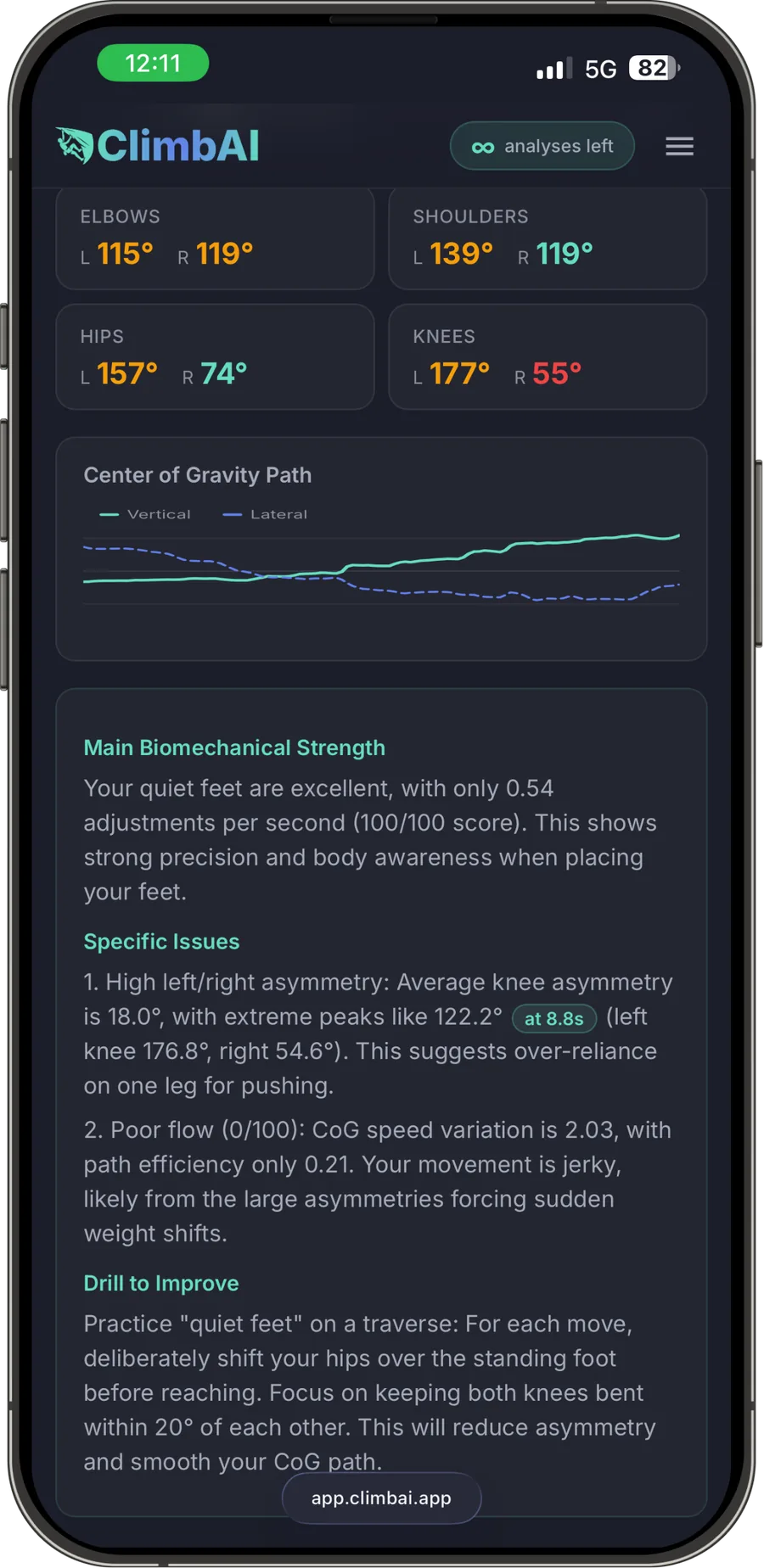
Record an attempt with your phone. ClimbAI finds your body in every frame, measures joint angles and the path of your centre of gravity, and tells you what worked and what to change next.
Investors, partners, coaches and researchers: if visual intelligence and human movement are your questions too, write to us.
hello@alnevis.comOr use the contact page.